Understanding the Importance of Geotechnical Engineering in Construction Projects
By: Pacifica Engineering Services, LLC. | Created on November 21, 2024
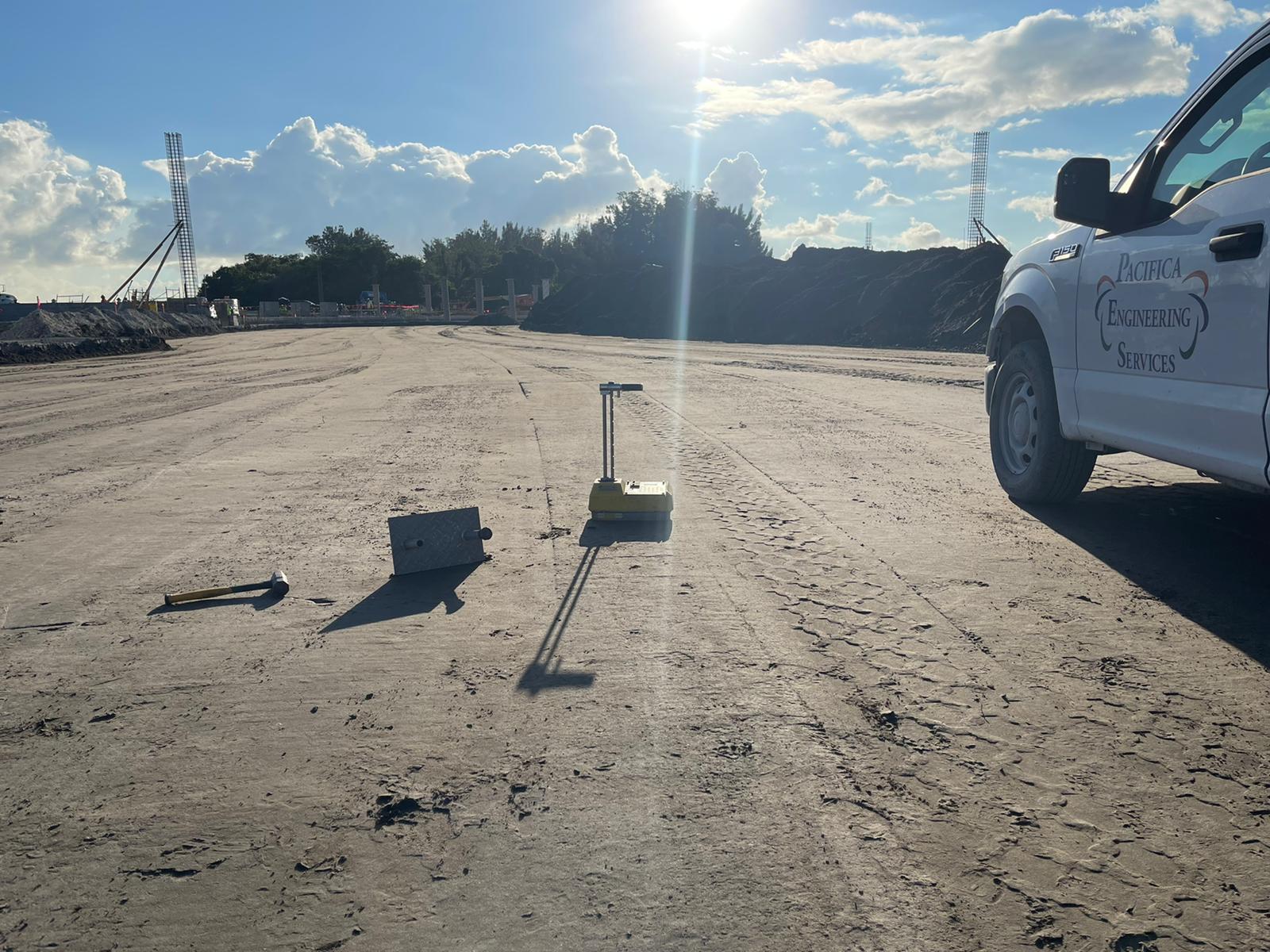
Geotechnical engineering plays a critical role in the success of any construction project. From determining the suitability of a site for building to ensuring the safety and stability of structures, geotechnical engineers provide essential expertise that helps prevent costly mistakes and ensures that construction is safe, stable, and sustainable. In this article, we’ll explore what geotechnical engineering is, why it’s essential in construction, and how a geotechnical engineer can help make your project a success.
What is Geotechnical Engineering?
Geotechnical engineering is a specialized field within civil engineering that focuses on the study of soil, rock, and groundwater behavior. Geotechnical engineers assess the physical properties of the ground to determine its ability to support various structures, including buildings, roads, bridges, and tunnels. They perform critical site investigations and tests to gather data on soil composition, moisture levels, and other factors that may affect construction projects.
Understanding the Importance of Geotechnical Engineering in Construction Projects
PACIFICA Engineering Services, LLC
November 21,2024
Site Selection and Preparation: Before construction begins, it’s crucial to understand the soil and rock properties of the site. Geotechnical engineers conduct subsurface investigations to identify potential hazards such as weak soil layers, excessive groundwater, or contamination. They then provide recommendations for site preparation, including soil stabilization or foundation design, ensuring the site is suitable for construction.
Foundation Design: One of the primary responsibilities of geotechnical engineers is to determine the type of foundation that will support a structure. The foundation needs to be designed according to the soil conditions and load-bearing capacity of the ground. Geotechnical engineers will recommend the most suitable type of foundation, such as shallow foundations, deep foundations, or piled foundations, based on soil characteristics and load requirements.
Soil Testing and Analysis: Geotechnical engineers use advanced testing techniques, including borehole drilling, cone penetration tests (CPT), and laboratory analysis, to determine the mechanical properties of the soil. These tests help engineers assess the soil’s strength, compressibility, permeability, and other factors critical to designing safe and effective structures.
Groundwater and Drainage Management: Groundwater can have a significant impact on construction projects. Geotechnical engineers evaluate the groundwater table, its movement, and its impact on soil stability. They design systems for proper drainage to prevent issues such as soil erosion, flooding, or foundation instability due to rising water levels.
Risk Mitigation and Safety: By identifying potential geotechnical risks early in the design phase, engineers can mitigate problems before they arise. Common issues include landslides, sinkholes, seismic activity, or soil liquefaction. Geotechnical engineers analyze these risks and provide solutions, such as soil stabilization, reinforcement, or foundation design modifications, to protect both the structure and the people living or working in it.
The Role of a Geotechnical Engineer in Your Project
A geotechnical engineer is a vital partner in ensuring the safety, sustainability, and success of your construction project. Here’s how they contribute to the overall process:
Site Assessment: Geotechnical engineers conduct thorough site investigations to determine soil conditions and make recommendations for site preparation and foundation design.
Collaboration with Other Professionals: Geotechnical engineers work closely with architects, structural engineers, and contractors to integrate their findings into the broader design and construction process.
Monitoring and Quality Assurance: During construction, geotechnical engineers monitor site conditions, testing soil and materials to ensure the project meets design specifications and safety standards.
How Geotechnical Engineering Improves Project Efficiency
Investing in geotechnical engineering at the outset of a project can save both time and money by preventing delays and unforeseen challenges. Early identification of soil and site conditions allows for more accurate planning, reduces the likelihood of costly redesigns, and ensures that foundations are appropriately designed for the site. This proactive approach leads to smoother construction, faster project completion, and more reliable results.
Common Types of Geotechnical Tests
- Soil Sampling and Testing: Geotechnical engineers extract soil samples from different depths of the site to assess its composition and properties.
- Standard Penetration Test (SPT): This test helps determine soil density and strength by measuring the resistance of soil layers to penetration.
- Cone Penetration Test (CPT): A method of measuring soil resistance to a cone-shaped probe driven into the ground, providing continuous data on soil behavior.
- Shear Wave Velocity Testing: Used to measure the soil’s ability to resist lateral motion, important for earthquake engineering.
Conclusion
Geotechnical engineering is essential for the success of any construction project. By understanding the ground conditions, designing appropriate foundations, and managing potential risks, geotechnical engineers ensure that structures are stable, safe, and sustainable. Whether you are planning a residential, commercial, or industrial project, investing in geotechnical engineering services is a crucial step toward achieving a successful, long-lasting outcome.
At Pacifica Engineering Services, LLC, we specialize in providing expert geotechnical services to help ensure the safety and stability of your projects. Our team of experienced engineers uses the latest technology and techniques to provide comprehensive site investigations, soil testing, and foundation recommendations. Contact us today to learn how we can assist with your next construction project.